





Construction
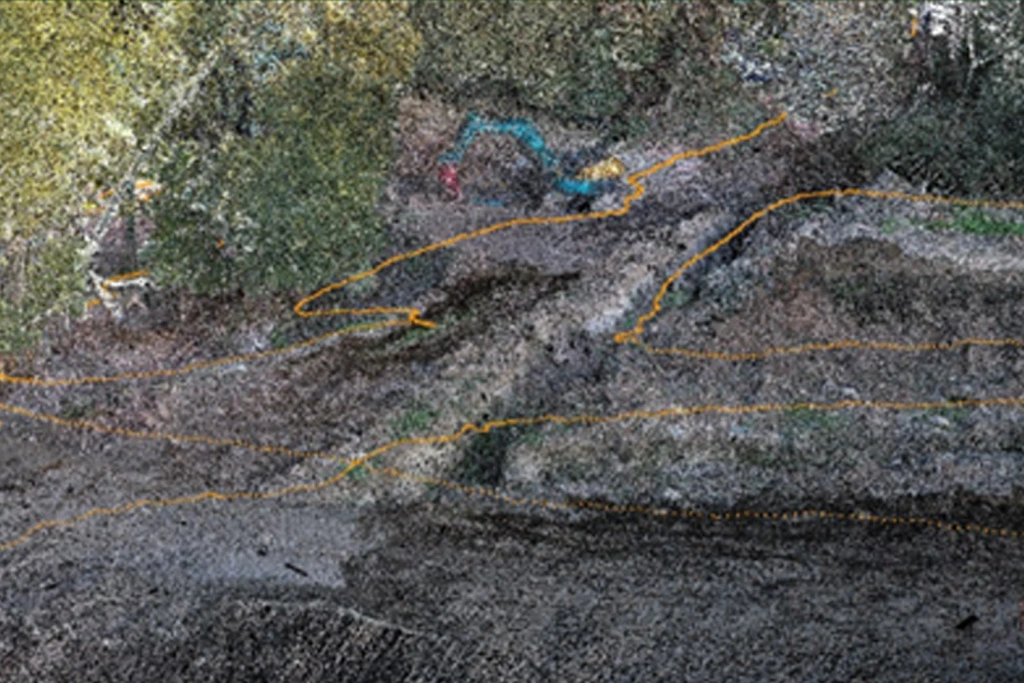
As-built survey
A solid baseline for CAD/BIM: capture as-is geometry, verify deviations, and update models and plans to date.
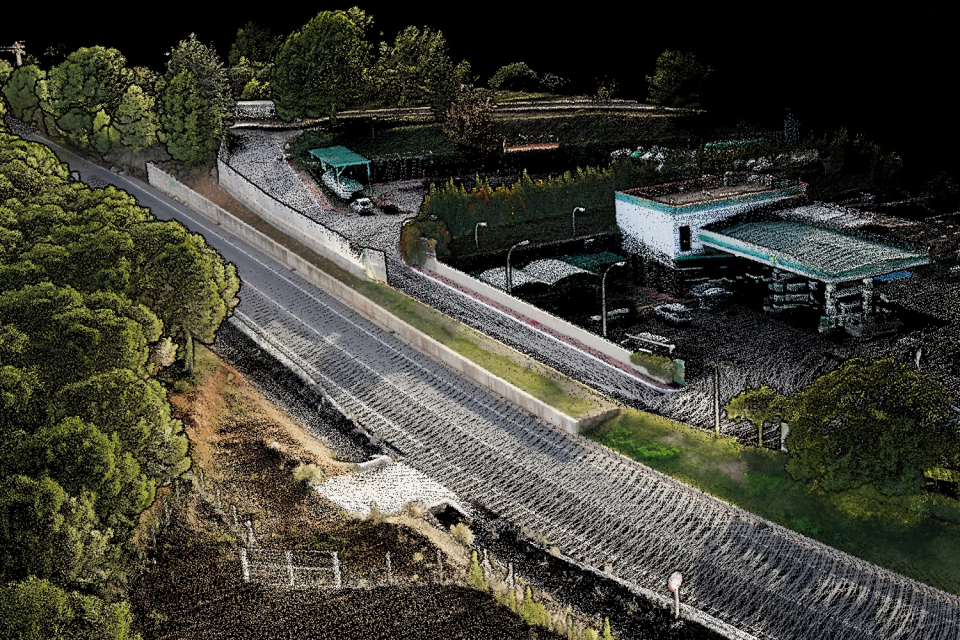
We deliver LiDAR scanning for sites and assets of any complexity — from terrain and land parcels to buildings, linear infrastructure, industrial facilities and indoor environments — operating across Europe and on projects worldwide. Our deliverables are production-ready and fully compatible with CAD and GIS workflows.
Suitable for projects ranging from indoor spaces to large areas and long corridors.
Construction
A solid baseline for CAD/BIM: capture as-is geometry, verify deviations, and update models and plans to date.
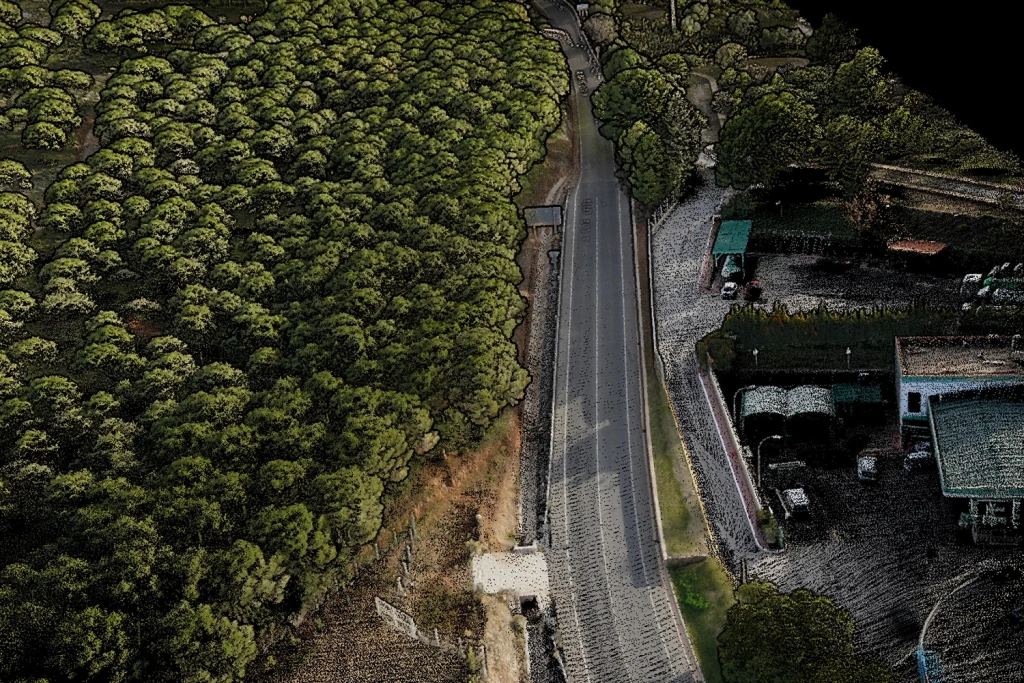
Infrastructure
Asset inventories, clearances, roadside furniture, cross-sections and route profiles.
Industry
Measured data to support refurbishment and retrofit design.
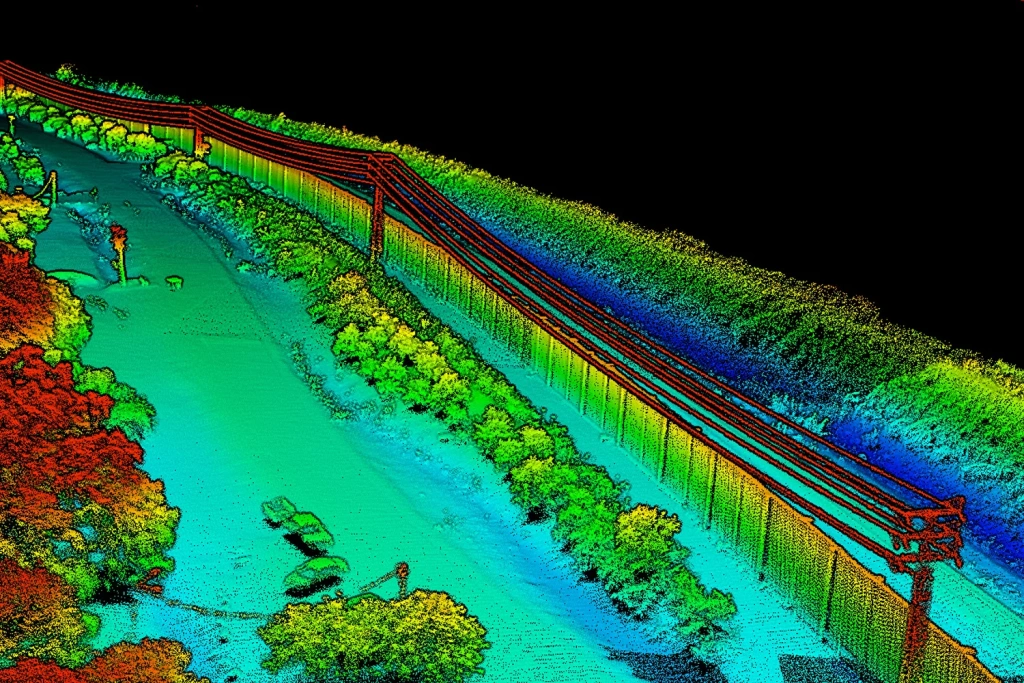
Energy
Corridor surveys and adjacent terrain capture, including clearance and crossing analysis (as per the brief).
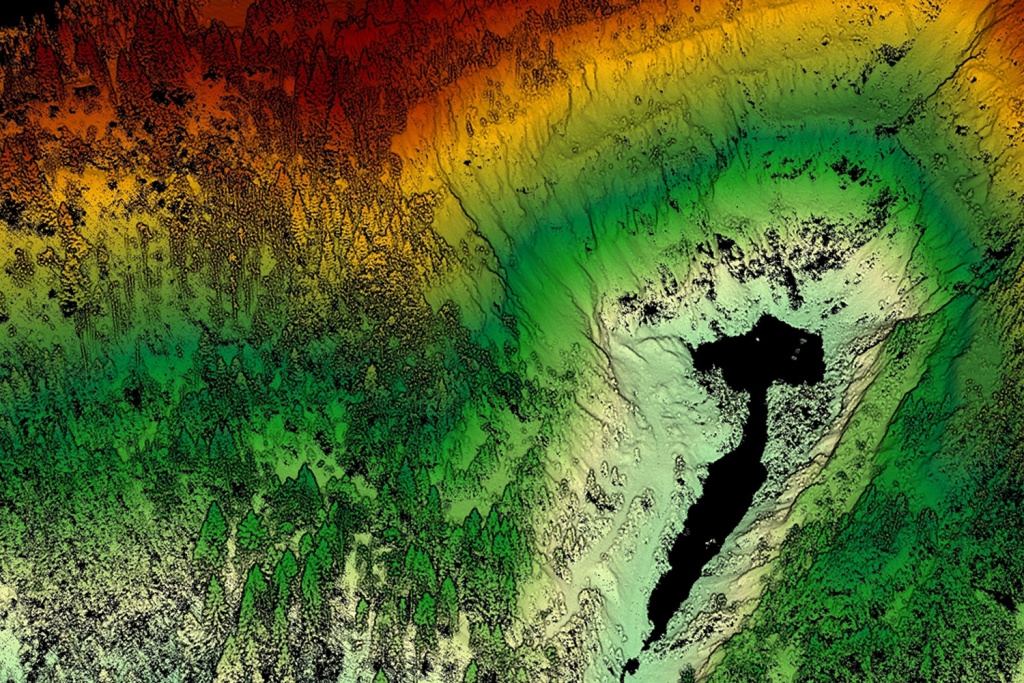
Mining
Terrain models, slope profiles, volume calculations and change monitoring between survey epochs.
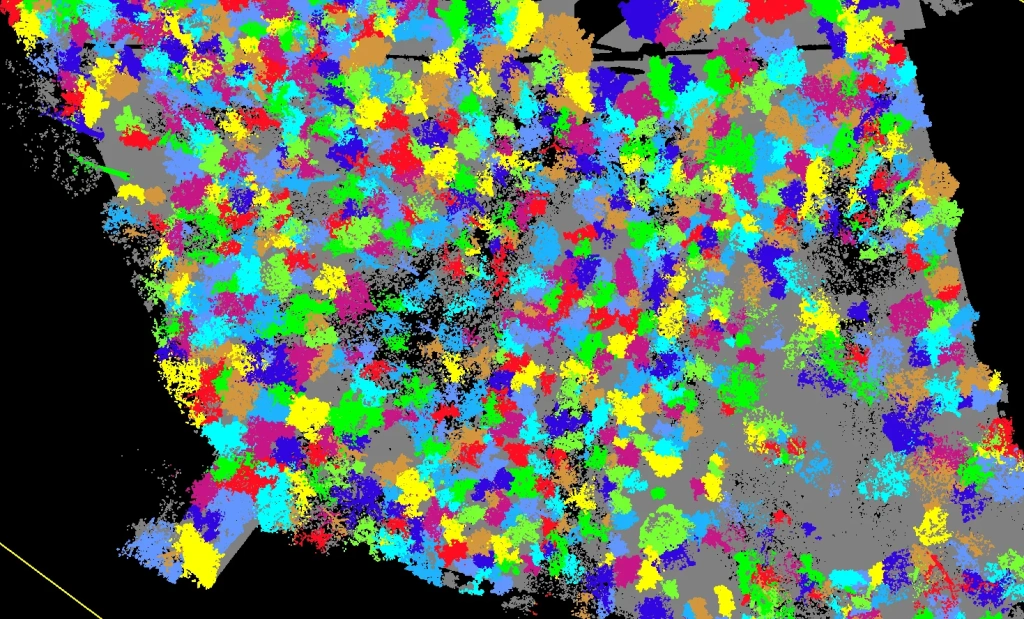
Forestry & agriculture
Tree-by-tree surveys, inventory and mensuration, crop field mapping, and biomass estimation.
A practical set of use cases — from engineering baselines to change detection and analysis.
Use cases
If your task is non-standard, describe the site, constraints and expected outputs — we’ll propose the best technology and deliverable set for your workflow.
We choose the approach based on scale, access, geometry and output requirements.
ALS
The best option for terrain, large areas, quarries, corridors and complex vegetation conditions.
MLS
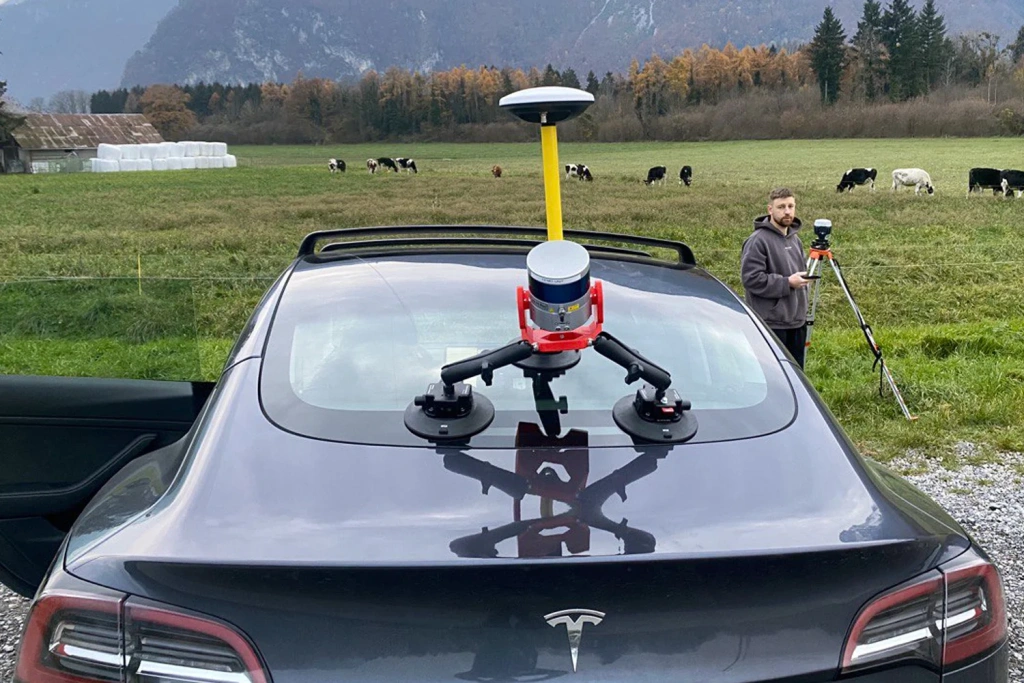
Ideal for linear assets and infrastructure: roads, streets, perimeters, industrial sites, façades and street furniture.
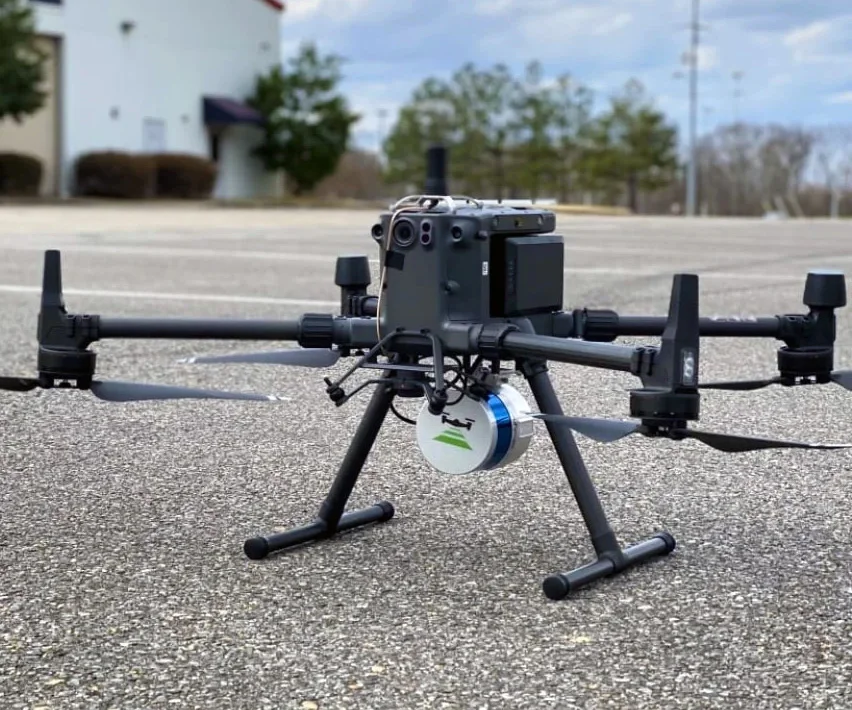
Airborne Laser Scanning enables the rapid survey of large areas and linear assets, while Mobile Laser Scanning provides higher-resolution capture of specific sections where greater detail is required.
A short checklist that saves time and reduces the risk of rework.
Brief inputs
Site conditions
Common add-ons
We agree the file list and layer structure before starting. You receive “ready-to-use” outputs for your environment.
| Deliverable | Format | Contents |
|---|---|---|
| Point cloud | LAS/LAZ, E57 | Merged and cleaned point cloud; classification if required |
| Surfaces | DWG/DXF | DTM/DSM, contours, slopes, derivative maps |
| Profiles and cross-sections | DWG/DXF, PDF | Along specified lines, routes/corridors, chainage-based sections |
| 3D/mesh (optional) | OBJ/FBX/PLY | For visualisation and engineering checks |
| QA/QC report (optional) | Control checks and accuracy summary |
If you have a corporate standard for layers/attributes and folder structure, share an example — we’ll match your format.
A transparent workflow: inputs → technology selection → fieldwork → processing → QA/QC → delivery.
We define the scope: site boundaries, accuracy requirements, CRS/vertical datum, deliverables, layer standards and reporting. We agree the QA/QC method and acceptance criteria.
We choose ALS/MLS (or a combination) based on access, terrain, built environment, vegetation and GNSS availability/stability. We plan routes/corridors, data density and verification checks.
We capture data using the selected method: ALS (UAV-based) or MLS (route-based). Where required, we carry out control checks and collect supporting data for subsequent processing.
Point cloud merging and cleaning, with classification where required. Surface generation (DTM/DSM), contours, slopes, profiles/cross-sections, and 3D/mesh (if included). We build layers and folder structure to your standard.
We verify accuracy to the agreed scheme (check points / control checks), produce reporting if required, export to the requested formats and deliver a CAD/GIS/BIM-ready dataset.
Depends on project scale and processing requirements.
Timeline
Typically: mobilisation and capture — from 1–2 days (or per monitoring schedule); processing and reporting — from 1–2 days and longer for large sites and advanced analytics.
Pricing
Cost depends on capture type (visual/photogrammetry/LiDAR), area/route length, accuracy requirements and deliverable formats, site complexity, and logistics.
For a quick quote: site type, location, project aim, desired outputs (report/orthophoto/3D/point cloud), approximate area/corridor length, and required timelines.
Not sure where to start?
If you have questions or need a consultation, email us at support@topodrone.com — we’ll walk you through the brief, deliverable formats and timelines.